

Main content: Sponge suction cups are suitable for four main material categories, with their core advantage lying in their adaptability to non-smooth surfaces. The first category is porous materials, such as wood, cardboard, and foam board. The sponge fills the surface pores, creating a "mechanical interlocking" effect, increasing the suction force by more than 50% compared to traditional suction cups. The second category is flexible materials, including leather, fabric, and rubber sheets. The sponge's soft touch avoids scratching the surface, and its deformation wraps around the edges of the object, preventing edges from lifting and causing air leakage. The third category is slightly rough metals, such as sandblasted aluminum plates and brushed stainless steel. The sponge's micro-convex structure can penetrate deep into the surface texture, providing a contact area 2-3 times larger than rubber suction cups. The fourth category is irregularly shaped objects, such as curved glass and irregular stone. The sponge's 3D adhesion capability can adapt to surfaces with a curvature radius ≥50mm, eliminating the need for custom suction cup shapes. It should be noted that sponge suction cups are not suitable for completely smooth mirror-like objects (such as polished marble), as negative pressure adsorption relies on atmospheric pressure difference, and smooth surfaces are prone to adsorption failure due to even slight air leakage; they are also not suitable for high-temperature objects (>80 ডিগ্রী ), যেহেতু পলিউরেথেন স্পঞ্জ এই তাপমাত্রায় নরম এবং বিকৃত হবে, এবং এর পরিবর্তে সিলিকন সাকশন কাপ সুপারিশ করা হয়। ইলেকট্রনিক কম্পোনেন্ট অ্যাসেম্বলিকে উদাহরণ হিসাবে নিলে, স্পঞ্জ সাকশন কাপগুলি স্থিরভাবে 0.3 মিমি পুরু নমনীয় সার্কিট বোর্ড (এফপিসি) শোষণ করতে পারে, যখন প্রথাগত সাকশন কাপগুলি, অনমনীয় যোগাযোগের কারণে, উপাদান স্থানচ্যুতির ঝুঁকিতে থাকে।
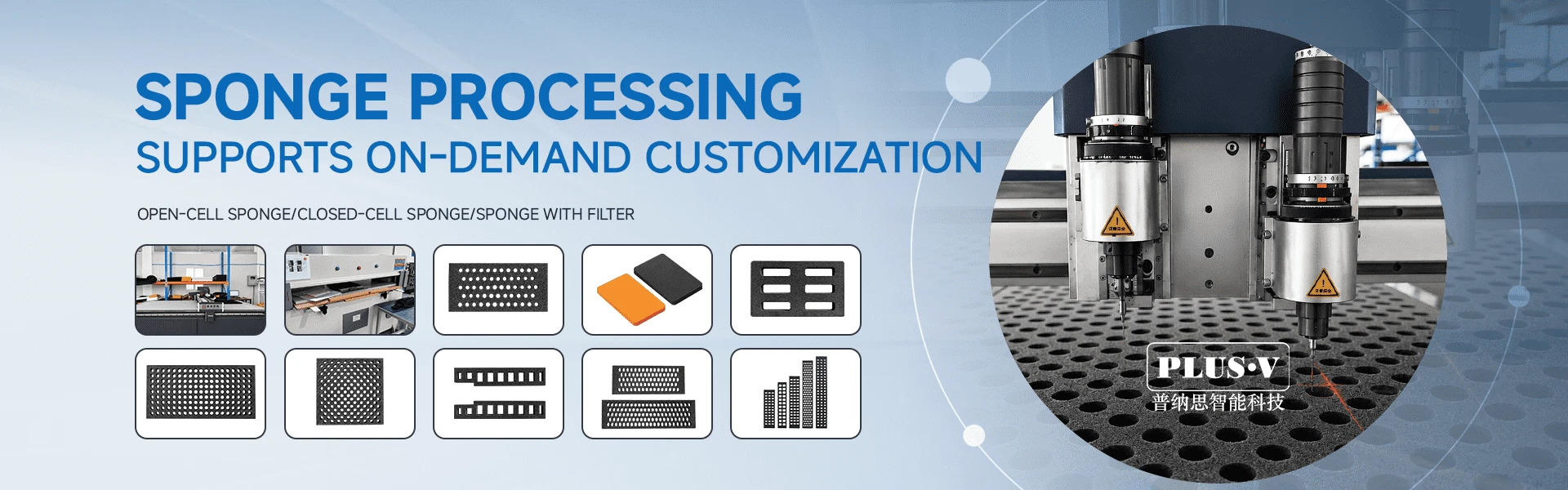
স্পঞ্জ সাকশন কাপের সাথে পরিচালনার জন্য কোন উপাদানগুলি উপযুক্ত
Jun 08, 2026
একটি বার্তা রেখে যান